


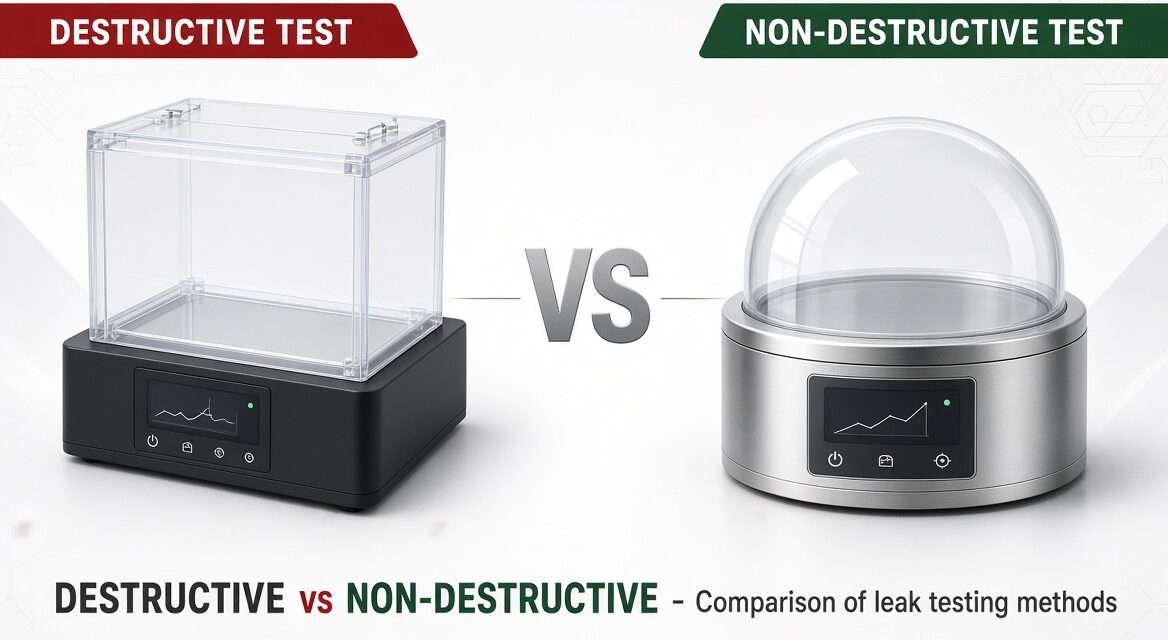
* AI-generated image
Destructive or non-destructive testing: choosing the right method for your requirements
If you’re visiting this website, I’m not telling you anything new when I say that, in industry, testing a product for leaks is essential to guarantee its quality and safety.
But is it really necessary to carry out tests that destroy the product to ensure it meets specifications?
At first glance, non-destructive testing seems to offer every advantage: it preserves the products, minimises waste and reduces losses. However, it is not always the most appropriate choice, particularly from an economic perspective.
Nor does the right method depend solely on your sector of activity. It also depends on the value of your products, the volumes to be inspected and the level of accuracy required.
Let’s see if I can help you make the best choice.
From chocolate croissants to medical devices: why the value of the product makes all the difference
At a manufacturing company such as Brioche Pasquier, the production lines churn out millions of pastries. The unit production cost is low: destroying a few samples to check that the packaging is airtight remains economically acceptable.
In contrast, I was involved in a testing project for a sensor intended for surgical equipment, with a unit value of up to €15,000. At that price, it is difficult to envisage destroying it at every inspection.
This is precisely the advantage of non-destructive testing: checking a product’s integrity without damaging it, so that it can then be returned to the supply chain if it meets the requirements.
Of course, between these two extremes, there is a wide range of situations, price points and possibilities. Moreover, the product’s price is not the only criterion to consider.
Sampling or 100 per cent inspection: volume comes into the equation
Another key question: how many products do you need to test?
If your quality protocol involves testing a few samples per batch, a destructive testing method may well be suitable.
On the other hand, if you wish to inspect up to 100 per cent of your production, it comes as no surprise that non-destructive testing is what you need – provided the technology is suited to your products and production rates.
For non-destructive testing, the initial investment is generally higher. But you need to look beyond the price of the machine: how much do the destroyed samples cost, how much time is spent on testing, and what are the cumulative losses over a year?
Not to mention the environmental benefit: fewer products destroyed also means less waste of raw materials, energy and resources. It is an investment that also forms part of (and supports) your CSR approach.
Destructive testing still has a bright future ahead of it… provided it becomes more accurate
But be careful not to regard destructive testing as an obsolete, imprecise technology from a bygone era.
It, too, is evolving, with equipment that improves reliability whilst minimising unnecessary damage.
Imagine a chamber in which you place twenty packages for a bubble test. If the equipment does not allow for fine-tuning of the vacuum level, your 20 samples may burst before you have even been able to observe a usable result. You would then have to start again, with new samples.
Not exactly ideal…
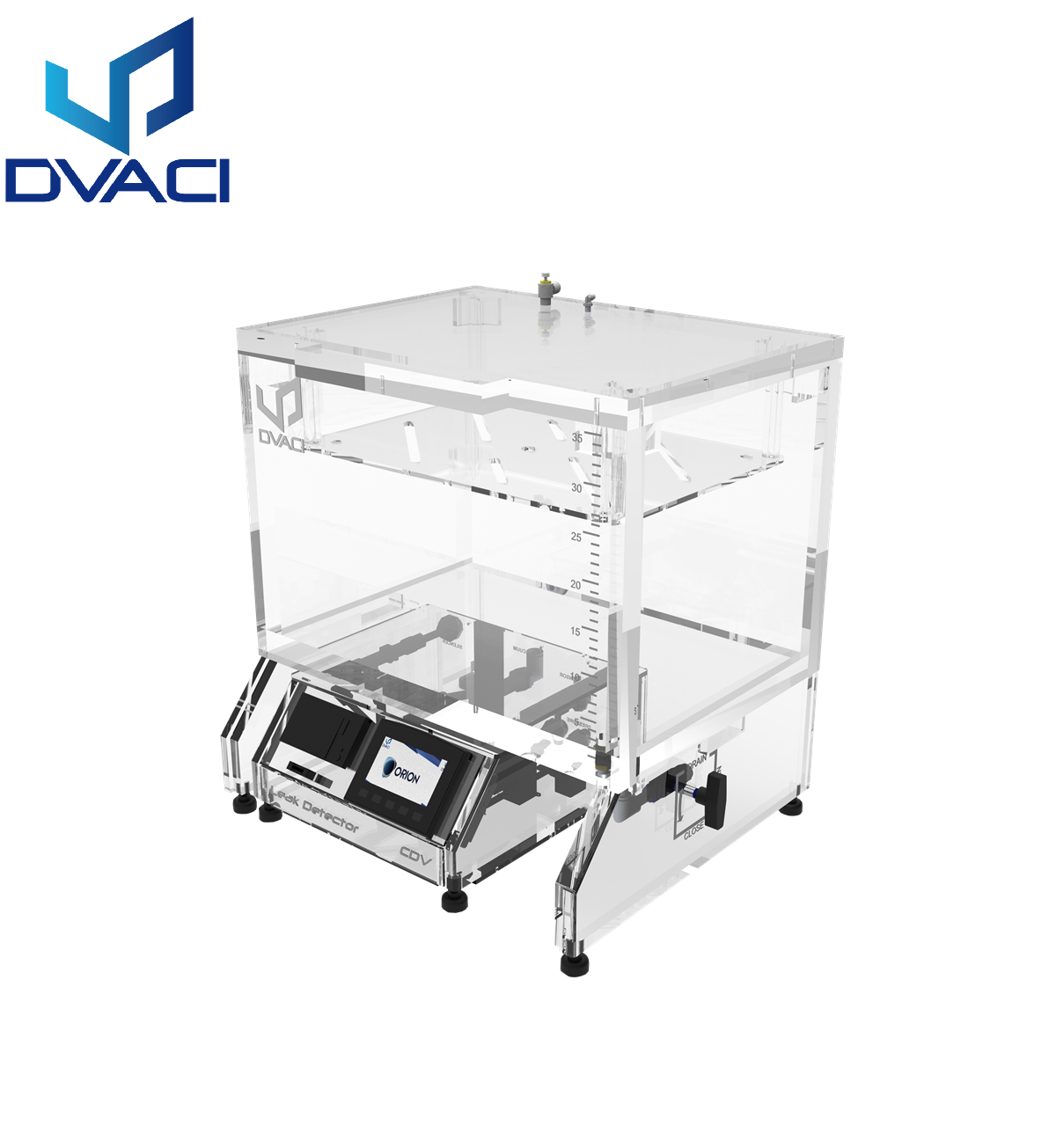
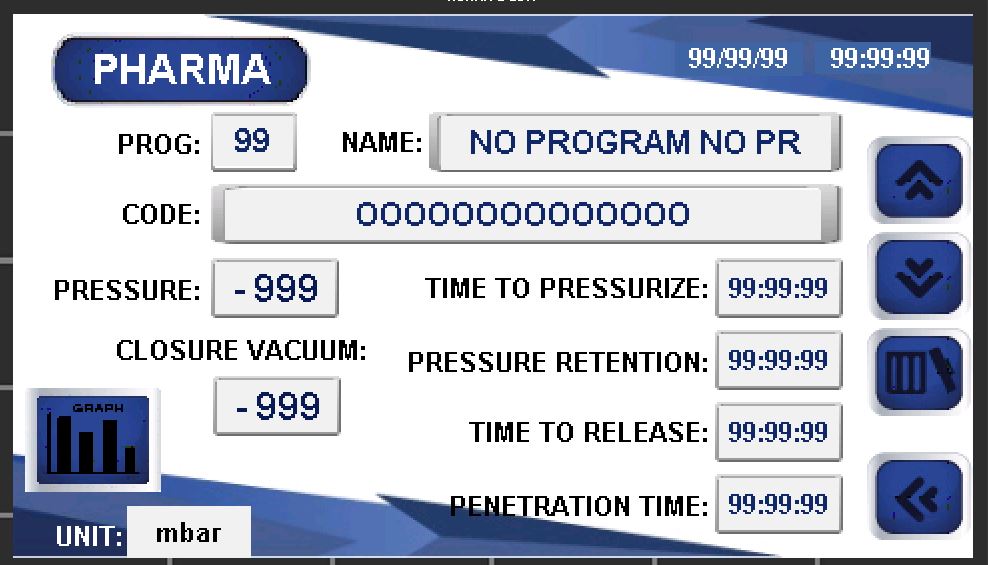
This is precisely the benefit of the DVACI equipment I offer at Control Sensei: thanks to precise regulation and controlled vacuum fluctuations, it allows for better control of test conditions and helps prevent accidental damage.
We therefore retain the cost-effectiveness of destructive testing, whilst improving its reproducibility and control.
That said, for certain products and industries, destructive bubble test or dry testing will always remain the most appropriate choice.
It’s up to us to devise more effective systems and to advise you as best we can.
So, how do you choose? Four questions to ask yourself before investing
Before choosing a technology or recommending a testing device, there are four factors to consider:
- The value of the product: how much does it cost to destroy a sample?
- Volumes: do you need to test a few units per batch or the entire production run?
- Sensitivity: what size of leak must you be able to detect reliably?
- Overall cost: what is the investment required and what are the running costs, taking into account testing time and scrap?
Your answers will help guide the choice towards a solution that is technically reliable, economically viable and suited to your requirements.
Ultimately, the right method is the one that meets your needs
I realise I’m repeating myself, but our role as consultants is not to push you towards the most sophisticated, prestigious or expensive technology. It is to help you identify and implement the most suitable solution for your production lines and laboratories.
Optimised destructive testing, a non-destructive solution, or a combination of the two: each situation warrants an analysis of your actual constraints.
Do you want to make your inspections more reliable whilst reducing your losses?